

Architektur · Raumgestaltung · Natürliche Materialien
Räume, die dich wachsen lassen.
Architektur aus natürlichen Materialien - gestaltet für die Art, wie du lebst, arbeitest und dich erholst.
Mind · Body · Planet
ECS gestaltet Gebäude für Wohnen, Hospitality und Performance Spaces, die Erholung, Fokus und Vitalität fördern – durch natürliche Materialien und ein tiefes Verständnis davon, wie Architektur das Leben formt.
Mind · Body · Planet
ECS gestaltet Gebäude für Wohnen, Hospitality und Performance Spaces, die Erholung, Fokus und Vitalität fördern – durch natürliche Materialien und ein tiefes Verständnis davon, wie Architektur das Leben formt.
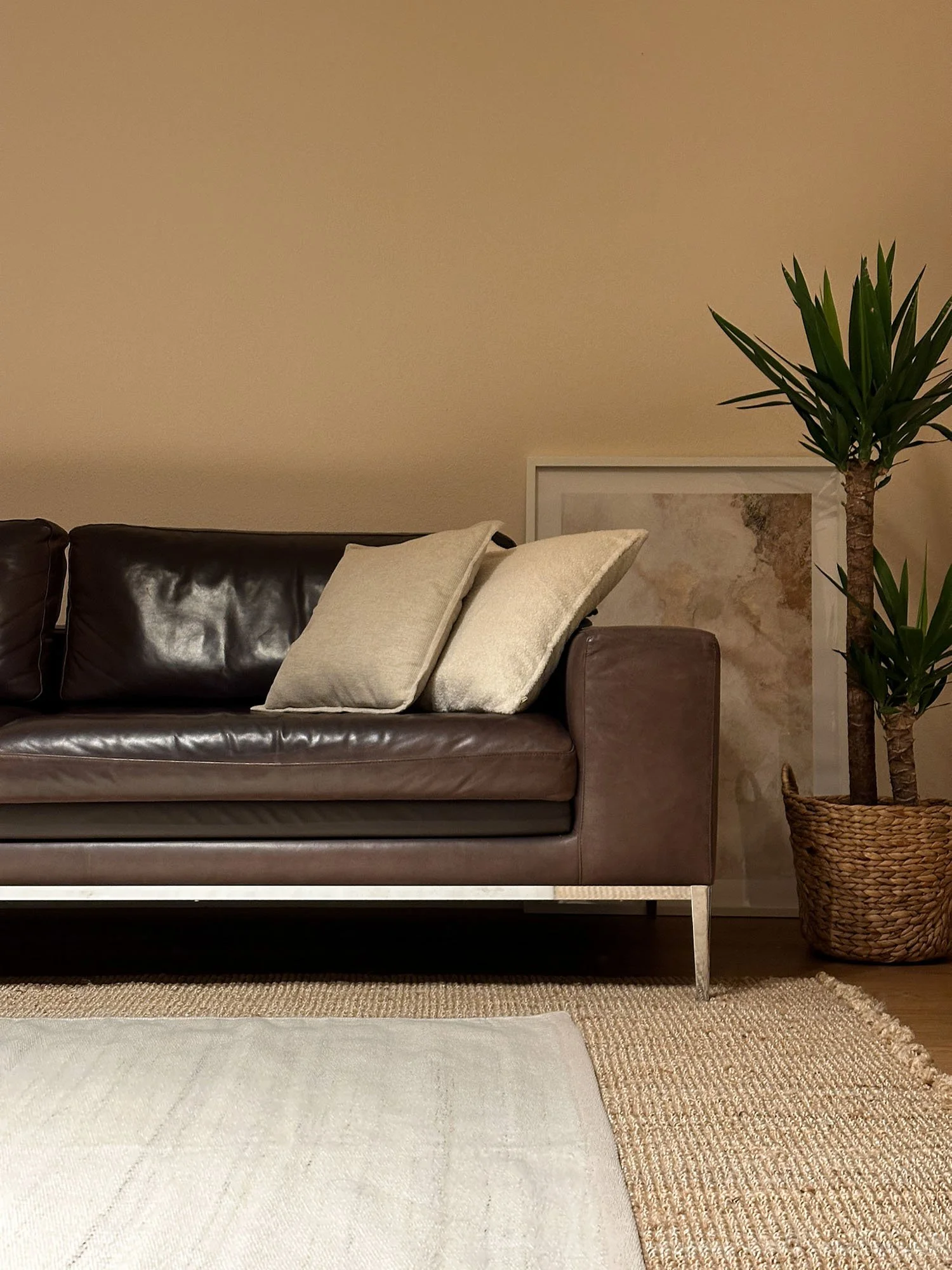
Die meisten Häuser, Büros und Locations sehen auf dem Papier gut aus. Nur wenige wurden für die Menschen gestaltet, die darin leben.
Architektur wird meist auf Ästhetik und Budget optimiert. Was dabei fehlt: wer du bist, wie du den Raum wirklich nutzt – und was er mit dir macht. Materialien werden nach Preis gewählt. Grundrisse aus Vorlagen gezogen. Deine Bedürfnisse bleiben außen vor. Nicht nur der fehlende Stauraum – sondern deine mentale und körperliche Gesundheit, deine Leistungsfähigkeit. Der Raum sieht am ersten Tag gut aus. Danach arbeitet er still gegen die Menschen darin – dreißig Jahre lang.
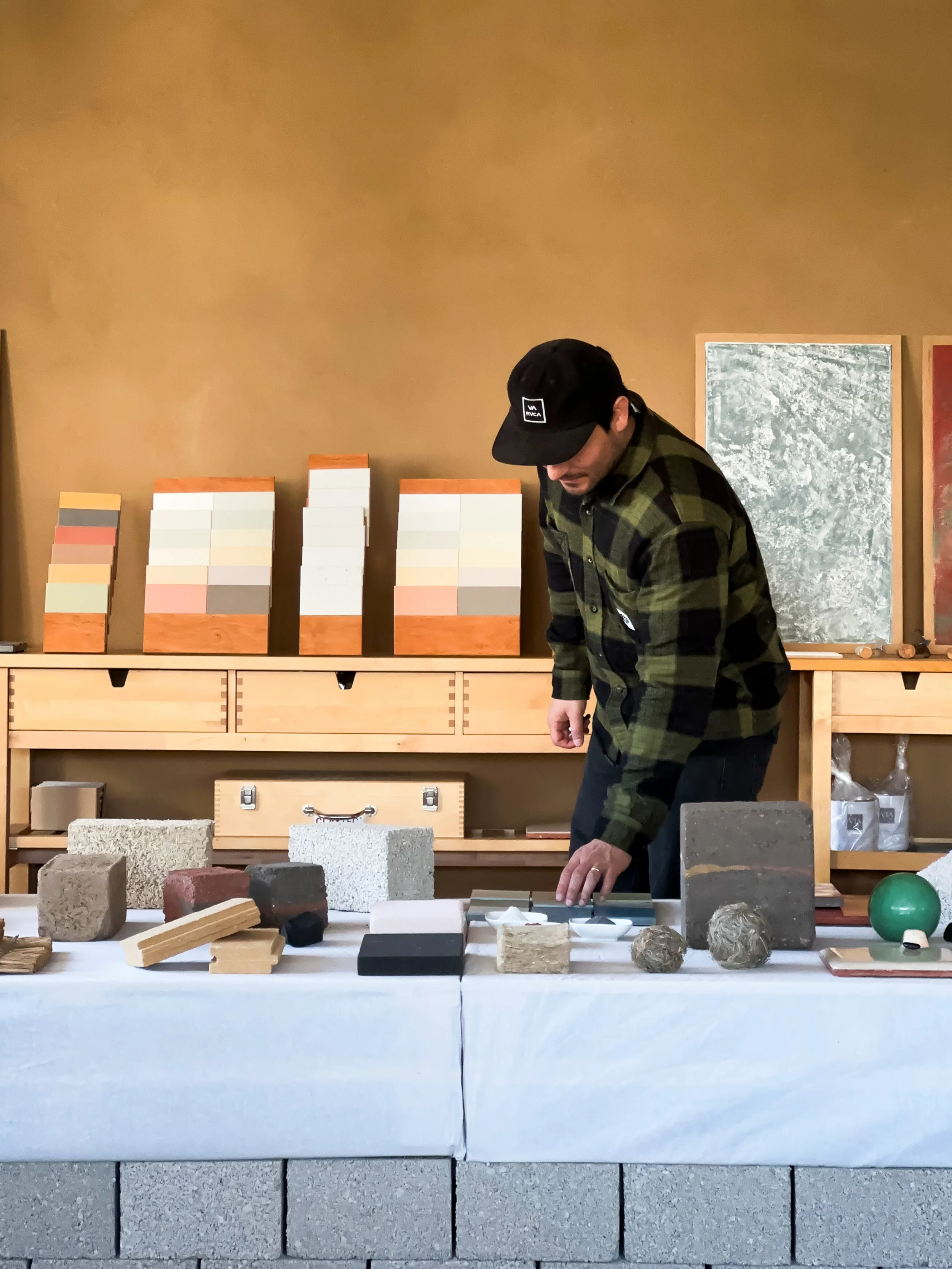
Vielleicht hat dir jemand gesagt, nachhaltiges Bauen koste mehr, erfordere mehr Pflege oder bedeute automatisch einen bestimmten „Öko-Look". Das ist nicht das ganze Bild.
Lass uns zeigen, wie dein Raum dich unterstützen kann.

Für wen wir bauen
01 — Wohnhäuser & Familien
02 — Zukunftsorientierte Unternehmen & Arbeitswelten
03 — Gastgewerbe & Wellnessbereiche
04 — Athleten & Top-Performer

01/ Wohnhäuser & Familien
Wenn du hier bist, hast du wahrscheinlich schon erkannt: Lebensqualität zählt für dich. Du achtest auf deine Gesundheit, deinen Schlaf, die Art, wie deine Familie wirklich lebt. Du achtest darauf, was deine Kinder einatmen. Du denkst an die Welt, die sie erben werden. Du willst ein Zuhause, das um dich gebaut ist – aus Materialien, mit denen dein Körper gerne zusammenlebt.
Wofür wir gestalten: Langfristiges Wohlbefinden, ein ruhiges Nervensystem, Raumluft, in der Kinder aufwachsen können – und Grundrisse, die verschiedene Lebensphasen tragen, statt sie einzuengen.

02/ Progressive Unternehmen & Arbeitswelten
Du führst ein Unternehmen, in dem du selbst gerne arbeiten würdest. Nachhaltigkeit, Kreislaufwirtschaft, Mitarbeiterfürsorge und das, was dein Büro über deine Werte sagt – das sind keine Nebenprojekte. Das ist dein Wettbewerbsvorteil. Unternehmensbenefits ziehen heute niemanden mehr. Kultur, Umfeld und das Gebäude, das Menschen jeden Morgen betreten, schon.
Wofür wir gestalten: Arbeitswelten, die Unternehmenswerte nach innen spiegeln, den CO₂- und Betriebsfußabdruck langfristig senken – und sich wie ein Ort anfühlen, an dem man wirklich sein möchte. Gesunde Gebäude machen gesündere Teams. Gesündere Teams leisten mehr.
03/ Gastgewerbe & Wellnessbereiche
Cafés, Restaurants, kleine Hotels, Retreats, Yoga- und Pilatestudios. Gäste kommen wegen des Essens, des Zimmers, des Kurses. Was sie in Erinnerung behalten, ist das Gefühl, das der Ort hinterlässt. Licht. Akustik. Luft. Die Haptik der Materialien. Ästhetik bringt sie einmal durch die Tür. Atmosphäre bringt sie wieder.
Wofür wir gestalten: Räume, die im Körper nachwirken – nicht nur auf Social Media. Gesündere Raumluft, bewusste Akustik, natürliche Materialien und ein Ambiente, das für sich selbst wirbt. Damit Gäste wiederkommen – und erzählen, warum.

04/ Athleten & Top-Performer
Du trainierst hart. Regeneration ist für dich kein Bonus, sondern Methode. Du weißt, dass deine Umgebung Teil des Protokolls ist. Schlafqualität, Luftqualität, Lichtexposition, akustische Belastung, die Materialien um dich herum – all das fördert oder hemmt deine Leistung, still und ständig. Das ist ein salutogenetischer Ansatz: Gestaltung, die Gesundheit und Kapazität aufbaut, statt sie abzubauen.
Wofür wir gestalten: Tiefer Schlaf. Saubere Luft. Zirkadian-bewusstes Licht. Geringe sensorische Belastung. Der Raum ist Teil der Erholung. Marcos eigener Hintergrund als ehemaliger Leistungssportler ist der Grund, warum dieser Aspekt in jedem Projekt konsequent mitgedacht wird.
A note on scale
Wir sind bewusst ein kleines, fokussiertes Studio.
Wir jagen nicht den größten Projekten nach. Wir suchen die richtigen: Wohnhäuser, Büros, Gastgewerbe- und Erholungsräume, bei denen das Briefing ernst genommen wird, die Menschen Teil des Prozesses sind – und das Ergebnis um sie gebaut ist, nicht um ein Portfolio. Wenn das nach dem Projekt klingt, das du im Kopf hast, passen wir wahrscheinlich gut zusammen.

Why Space Matters
Die Räume, in denen wir leben, formen wie wir uns fühlen, denken, erholen und begegnen. Licht beeinflusst unseren zirkadianen Rhythmus. Akustik wirkt auf Stress und Konzentration. Natürliche Materialien regulieren Luftfeuchtigkeit, stabilisieren Temperatur und verbessern die Raumluft. Jede Gestaltungsentscheidung hat eine messbare Wirkung auf das Wohlbefinden. Deshalb gestalten wir bei Edge Creatives Studio mit dem Menschen im Mittelpunkt – geleitet von Neuroarchitektur, Umweltpsychologie und den Prinzipien gesunden Bauens.
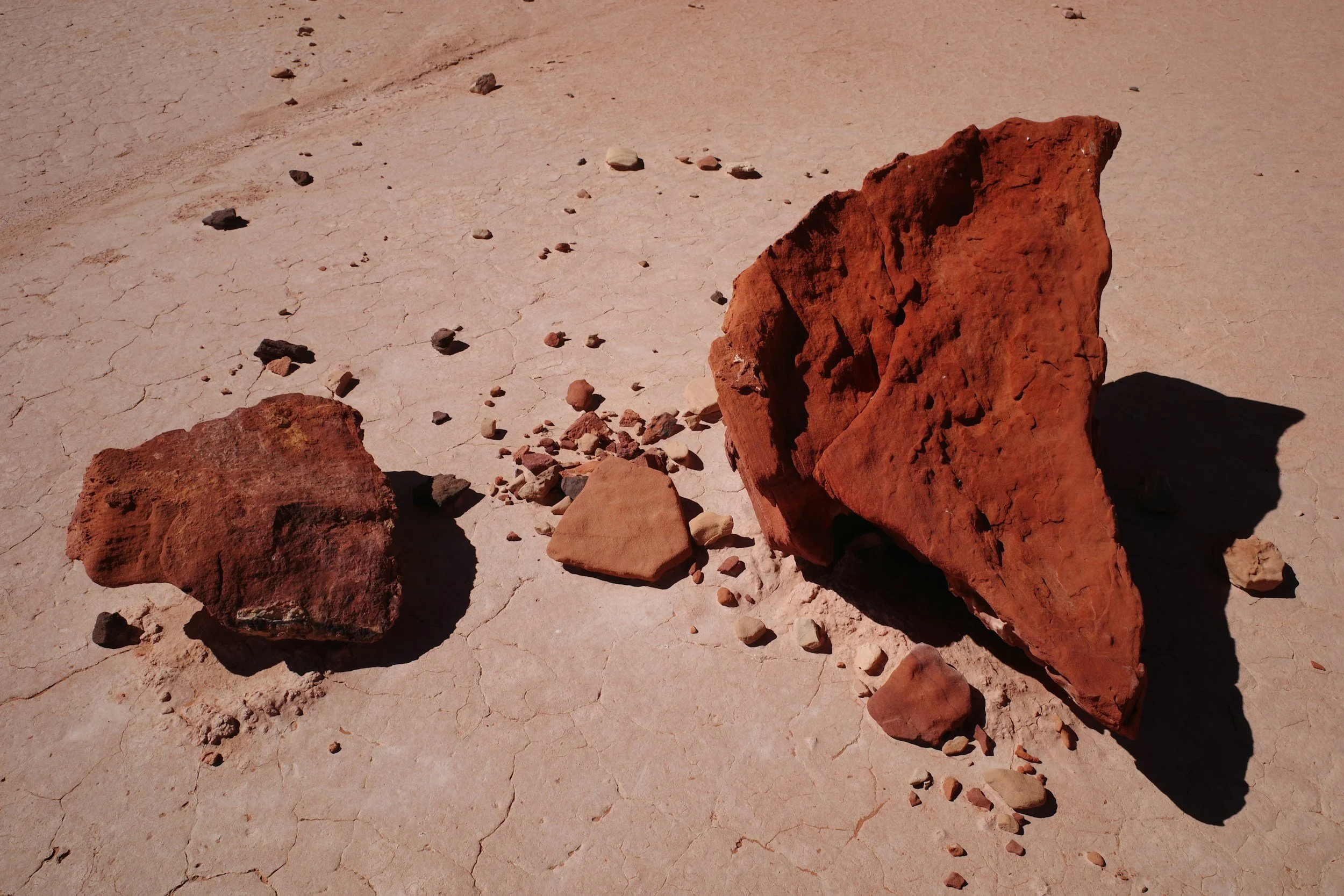
Materialien spielen dabei eine zentrale Rolle. Lehm, Kalk, Holz und pflanzenbasierte Dämmstoffe sind keine Kompromisse zugunsten der Umwelt – sie sind aktive Elemente eines gesunden Raumklimas. Sie regulieren Feuchtigkeit, verbessern die Akustik, schaffen warme, haptische Oberflächen bei niedrigen Emissionen. Das Ergebnis: ein weicheres, ruhigeres, ausgewogeneres Raumerleben.
Gutes Design geht über Funktion hinaus. Es lenkt Bewegung, Komfort, Fokus und Emotion – und trägt dabei die Auswirkungen auf die Umwelt mit. Biobasierte Materialien wie Holz, Hanf und Stroh können Kohlenstoff binden und regenerative Systeme unterstützen.
Das ist der Unterschied, für den wir gestalten.
Unsere Kernprinzipien
Jedes Projekt beginnt gleich: mit Zuhören. Bevor wir über Materialien oder Grundrisse sprechen, wollen wir verstehen, wie du den Raum nutzt, was nicht funktioniert – und wie du dich fühlen möchtest, wenn du durch die Tür gehst.
-
Jedes Projekt beginnt mit einer Frage: „Wie soll dieser Raum die Menschen fühlen lassen?"
Zuhause, Arbeitsplatz, Café, Hotel oder Wellnessraum – im Mittelpunkt stehen immer die Menschen, die ihn täglich nutzen.
Durchdachte Grundrisse, natürliches Licht, gesunde Materialien, akustischer Komfort: das ist keine Kür, das ist die Basis.
-
Materialien definieren nicht nur das Aussehen eines Raums – sie prägen, wie er sich anfühlt und wie er funktioniert.
Wir arbeiten mit Lehm, Kalk, Holz, Hanf und Stroh – weil sie die Raumluft verbessern, Feuchtigkeit regulieren, die Akustik verbessern und warme, haptische Oberflächen schaffen.
Und weil sie nachwachsen, kaum graue Energie binden – und oft mehr CO₂ speichern, als ihre Herstellung verbraucht.
-
Gutes Design verbindet Kreativität mit Wissen.
Unser Ansatz vereint Architektur, Neurowissenschaft, Umweltpsychologie und Bauwissenschaft, um Räume zu schaffen, die sowohl schön als auch messbar wirkungsvoll sind.
Indem wir Menschen, Materialien und Systeme als zusammenhängendes Ganzes betrachten, gestalten wir Umgebungen, die die menschliche Gesundheit fördern und den Planeten respektieren.
-
Unser Prozess läuft überwiegend remote ab, sodass der Standort weder für uns noch für dich eine Rolle spielt.
Bei vollständigen Bauprojekten arbeiten wir mit erfahrenen lokalen Handwerksbetrieben zusammen und reisen bei Bedarf zur Baustelle.
Kuriose Fakten
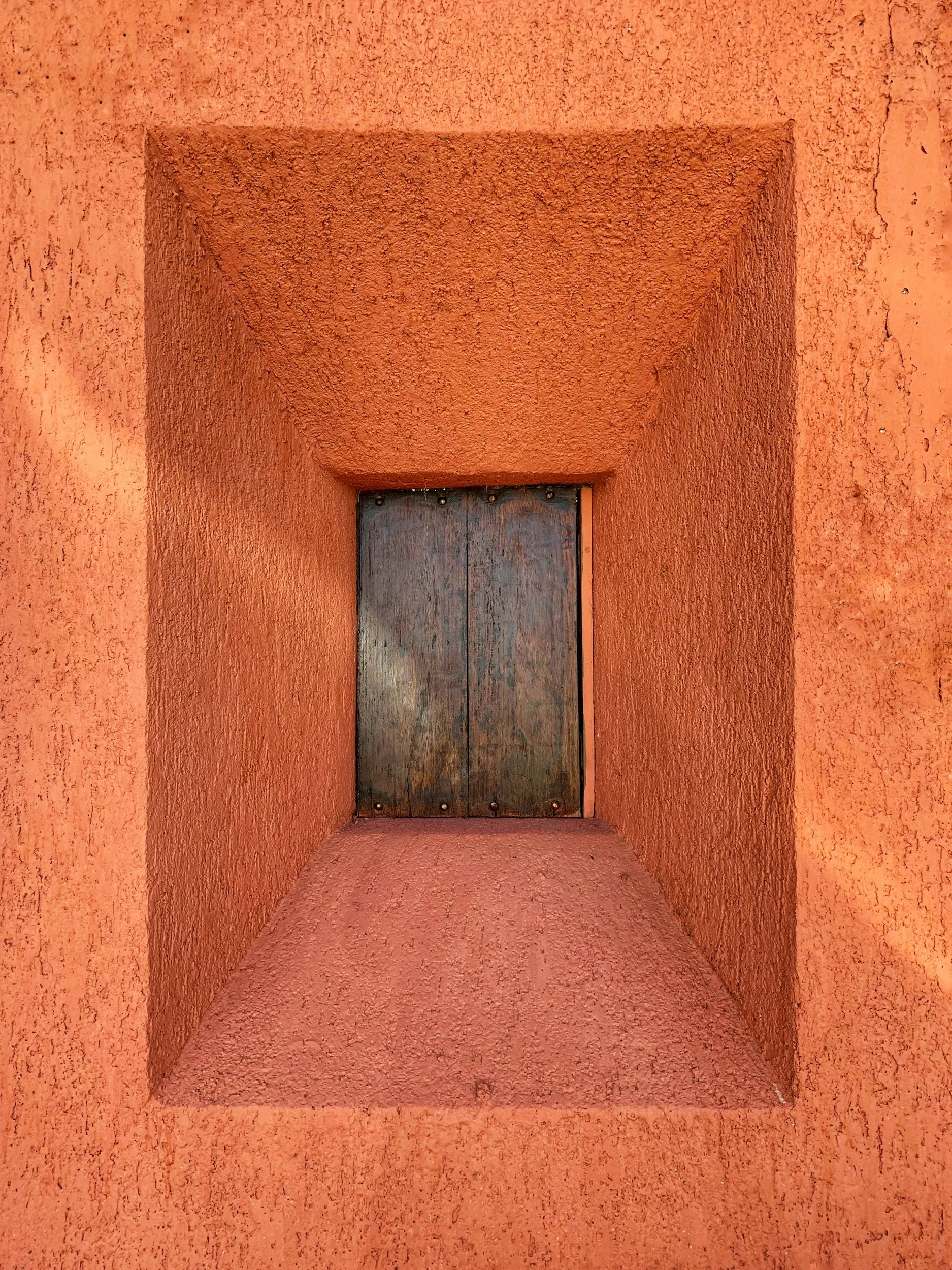
Ein Holzhaus muss nicht laut sein. Richtige Detailausführung erreicht höchste akustische Standards. Die meisten Misserfolge im Naturbau haben eine einzige Ursache: mangelndes Wissen über Details und Materialien. In erfahrenen Händen erfüllen dieselben Materialien jeden Standard – oder übertreffen ihn.
ziehbare Karten
Nachhaltig bedeutet nicht automatisch teurer. Viele Naturmaterialien kosten gleich viel oder weniger als konventionelle. Manchmal ist die Verarbeitung anders – aber das langfristige Bild aus Gesundheit, Langlebigkeit und Energieverbrauch rechnet sich.
Einige der ältesten noch stehenden Gebäude der Welt sind aus Lehm, Stein und Holz. Gut ausgeführt, überdauert Naturbau die meisten modernen Alternativen.
Grelle weiße Räume und hartes Licht wurden als Verhörmethode eingesetzt. Anhaltende Überstimulation durch die Augen zermürbt das Nervensystem – der Körper kann sich nicht dagegen regulieren. Das Gegenteil gilt genauso: Ruhige Proportionen, sanftes Tageslicht und natürliche Materialien senken Stress nachweislich.
Wir verbringen rund 90 % unseres Lebens in gebauten Umgebungen. Der Raum um dich ist nie neutral. Er wirkt ständig auf dich ein – meist ohne dass du es bemerkst.
Ein Haus aus Naturmaterialien muss im Sommer nicht überhitzen. Die richtige Kombination aus Dämmung, Wärmespeichermasse und Belüftung reguliert Hitze besser als die meisten konventionellen Gebäude.
Menschen mit Empfindlichkeiten reagieren stärker auf Raumluftqualität. Synthetische Materialien – neuer Teppich, Spanplatten, Vinylboden, frische Farbe – geben über Wochen oder Monate nach dem Einbau Chemikalien an die Luft ab. Das nennt sich Ausgasung und ist oft die Quelle des bekannten „Neugeruchs". Je besser die Materialien, desto mehr Luft zum Durchatmen – für alle.
NACHHALTIGE ARCHITEKTUR
SPACE PERFORMANCE GUIDE
Dieser Guide richtet sich an alle, die das Gefühl haben, dass ihr Zuhause, ihr Büro oder ihr Gastgewerberaum mehr für sie leisten könnte. Er erklärt fünf Umweltfaktoren, die laut aktueller Forschung direkt beeinflussen, wie du denkst, schläfst und dich erholst - mit einer Raum-für-Raum-Diagnose, konkreten Sofortmaßnahmen und dem aktuellen Stand der Forschung aus Neuroarchitektur und Chronobiologie.
FORMULAR AUSFÜLLEN UND GUIDE ERHALTEN
Work With Us
Unsere Leistungen
01. Vollständige Architekturplanung
02. Grundrissoptimierung
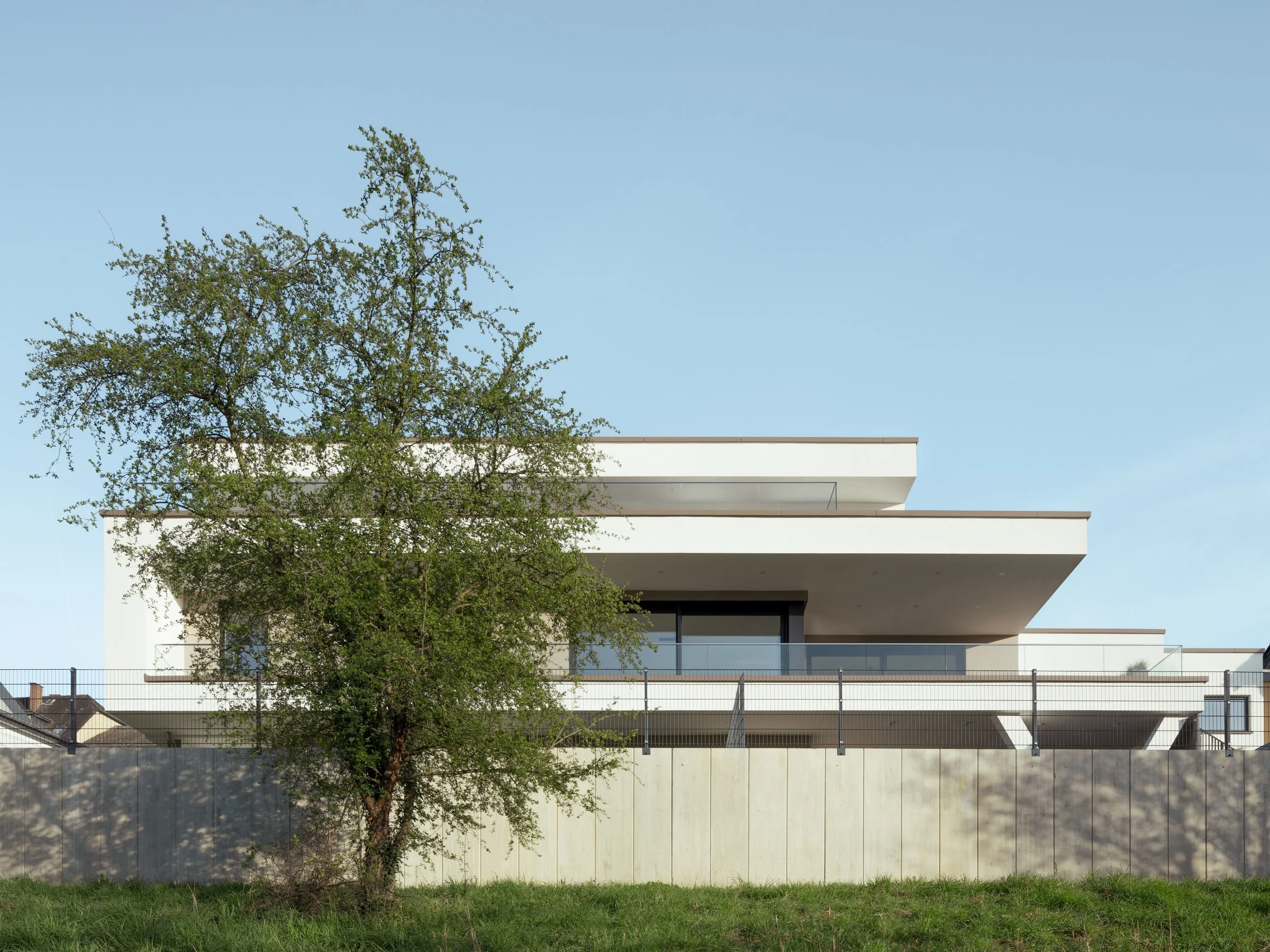
01. Vollständige Architekturplanung
Für Wohn-, Gewerbe- und Gastgewerbebauten. Neubauten, Sanierungen, Raumgestaltungen – vom ersten Konzept bis zur finalen Ausführung.
Vollumfängliche Projekte umfassen alles: vom ersten räumlichen Konzept und Grundriss über die Materialauswahl, 3D-Visualisierung und Koordination mit Handwerksbetrieben bis hin zur Baubegleitung vor Ort, wo nötig.
Wir arbeiten für Wohnhäuser, Büros, Coworking-Spaces, Gastgewerbeprojekte sowie spezialisierte Umgebungen wie Sport-Recovery- und Wellnessbereiche. Jedes Projekt ist einzigartig.
Der Prozess ist gründlich, kollaborativ und vollständig auf deine spezifischen Ziele zugeschnitten – keine Einheitslösung von der Stange.
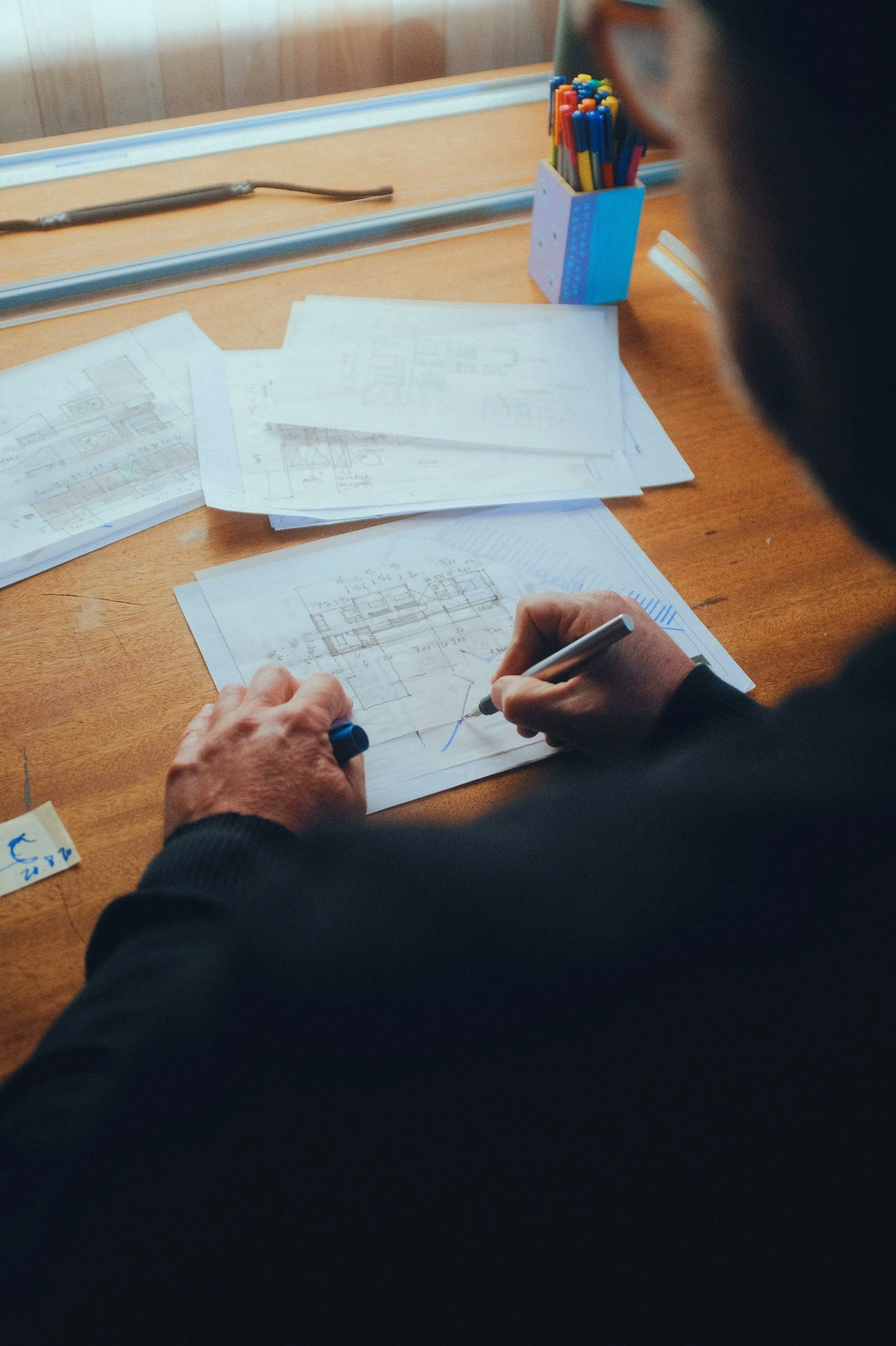
02. Grundrissoptimierung
Für Hausbesitzer, Renovierende, Unternehmer – und alle, die Klarheit brauchen, bevor sie sich festlegen.
Manchmal braucht man kein vollständiges Projekt. Manchmal braucht man einen geschulten Blick, der sagt: was funktioniert, was nicht – und was der Raum werden könnte.
Vollständig remote. Du erhältst einen optimierten Grundriss, Materialempfehlungen und ein Konzept, das in einer persönlichen Videokonsultation besprochen wird. So beginnen die meisten unserer Projektkunden. Nicht weil wir darum bitten – sondern weil die Klarheit, die es schafft, alles Weitere leichter macht.
Über uns
Edge Creatives Studio
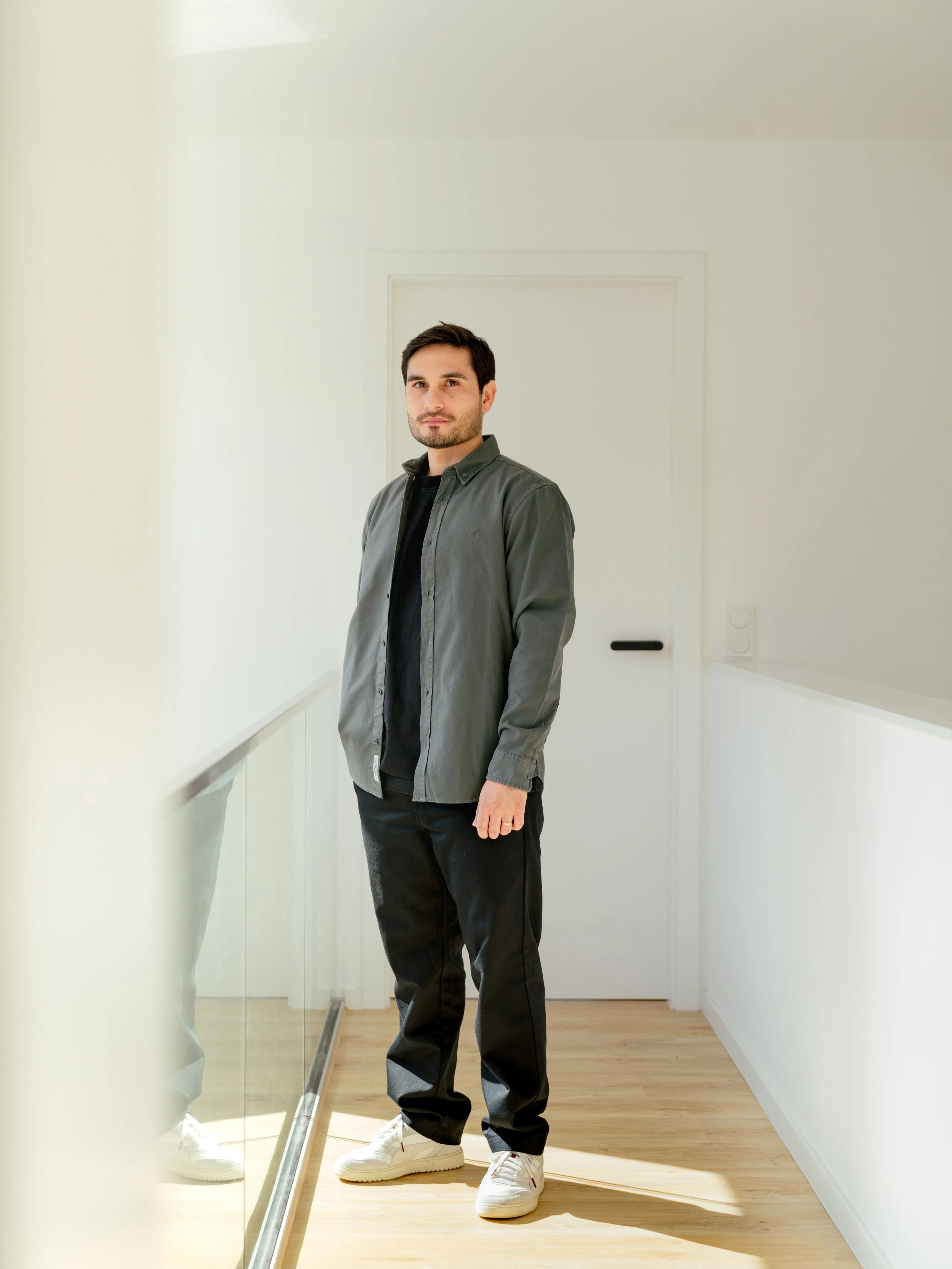
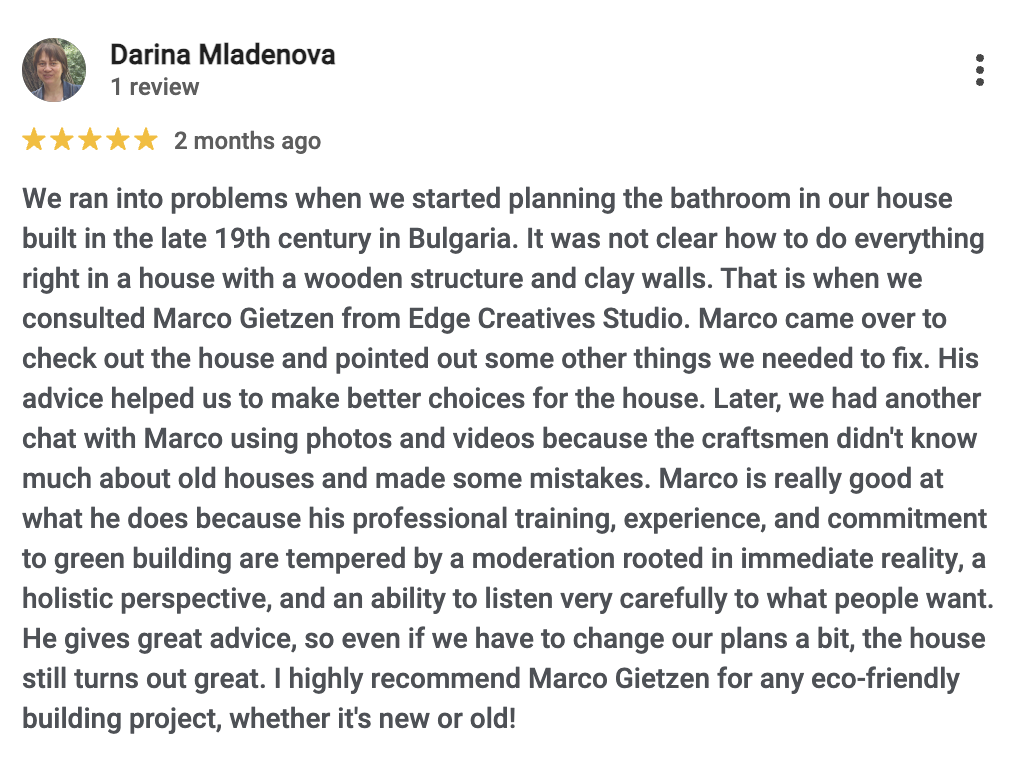
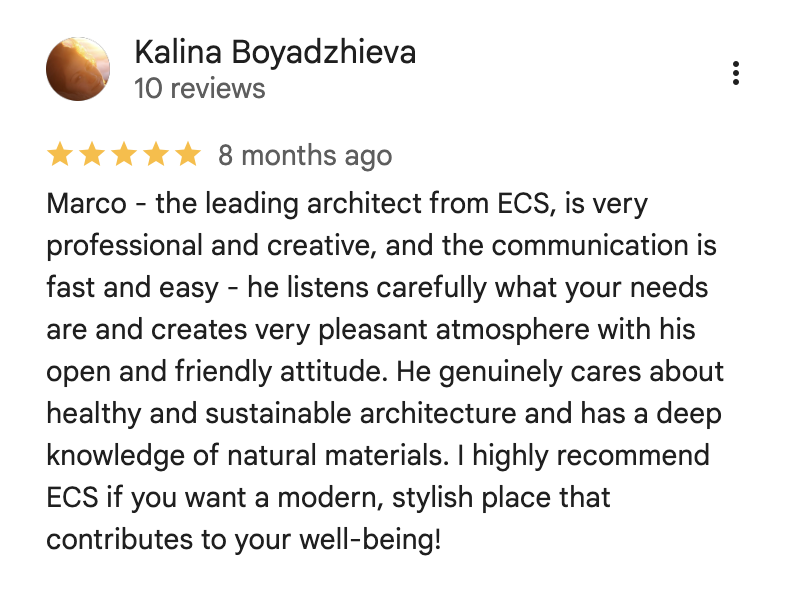
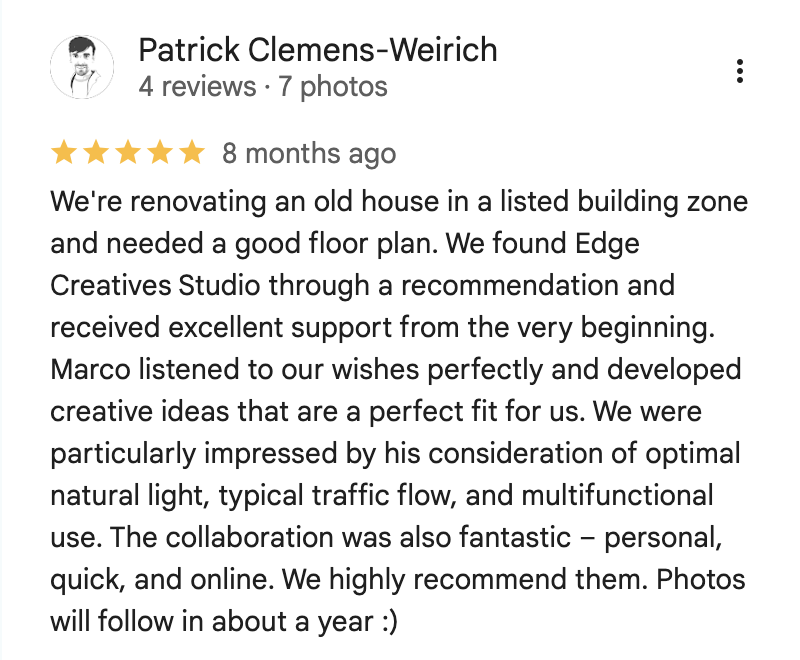
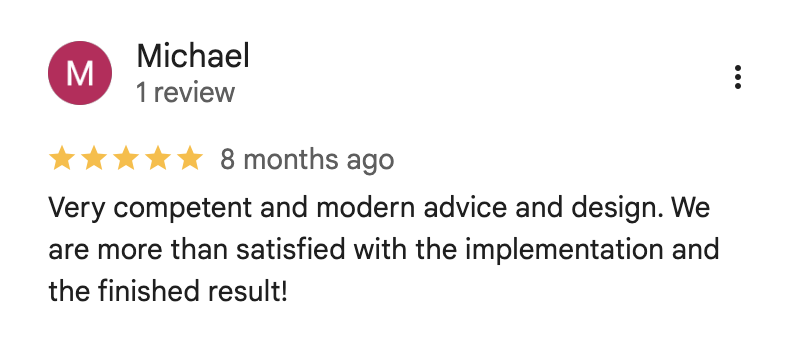
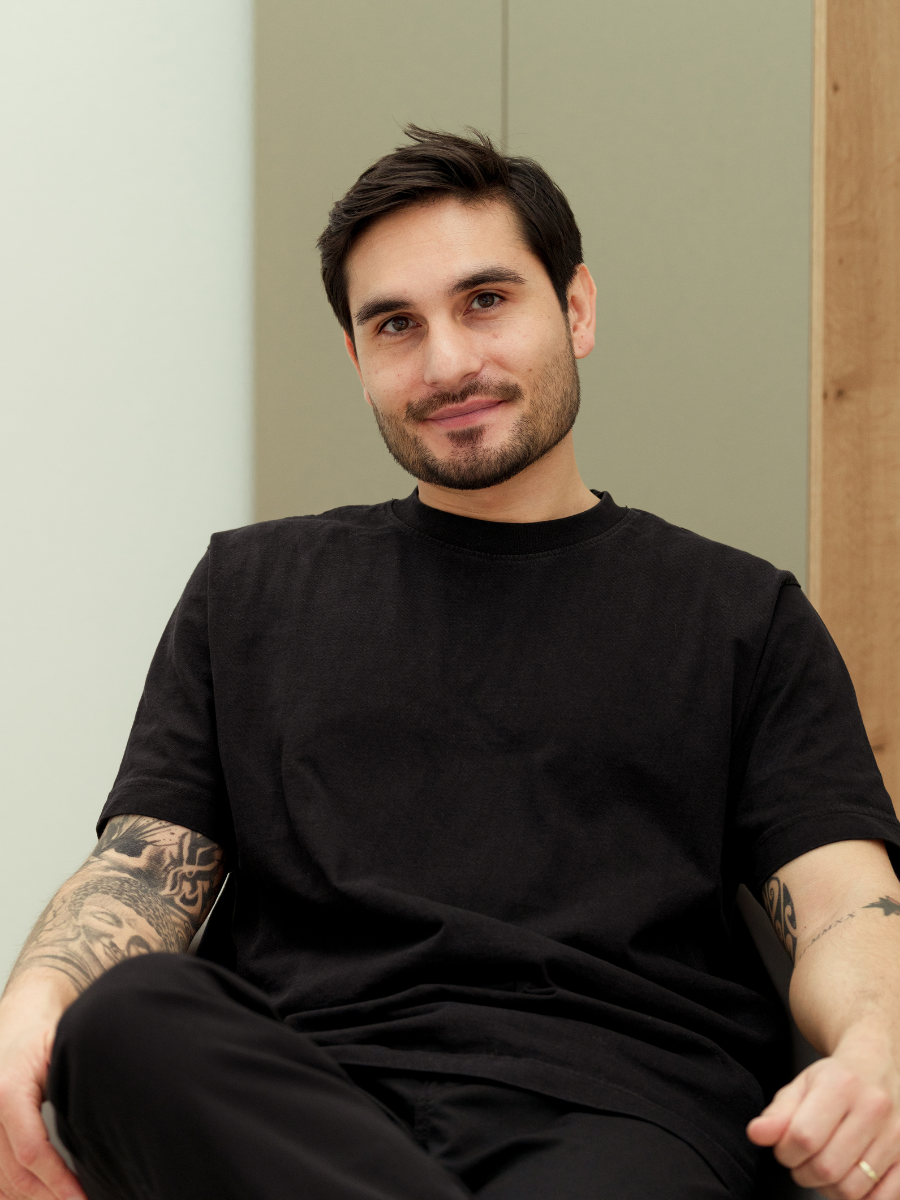
Edge Creatives Studio wurde von Marco Gietzen gegründet – Architekt, spezialisiert auf natürliche, kreislauffähige Materialien und die Wechselwirkung zwischen Raum und menschlichem Wohlbefinden.
Marco hat in Deutschland studiert und gearbeitet, ist eingetragenes Mitglied der Architektenkammer Rheinland-Pfalz und zertifizierter Nachhaltigkeitskoordinator. Das bedeutet: Er misst Umweltauswirkungen über den gesamten Lebenszyklus eines Gebäudes – von der Materialgewinnung bis zum Rückbau.
„Gute Architektur ist mehr als ein Dach über dem Kopf. Sie steigert Lebensqualität und haucht Räumen Leben ein. Architektur ist niemals neutral – sie umgibt uns ständig und hat erheblichen Einfluss auf unser Wohlbefinden." — Marco Gietzen, Gründer von Edge Creatives Studio
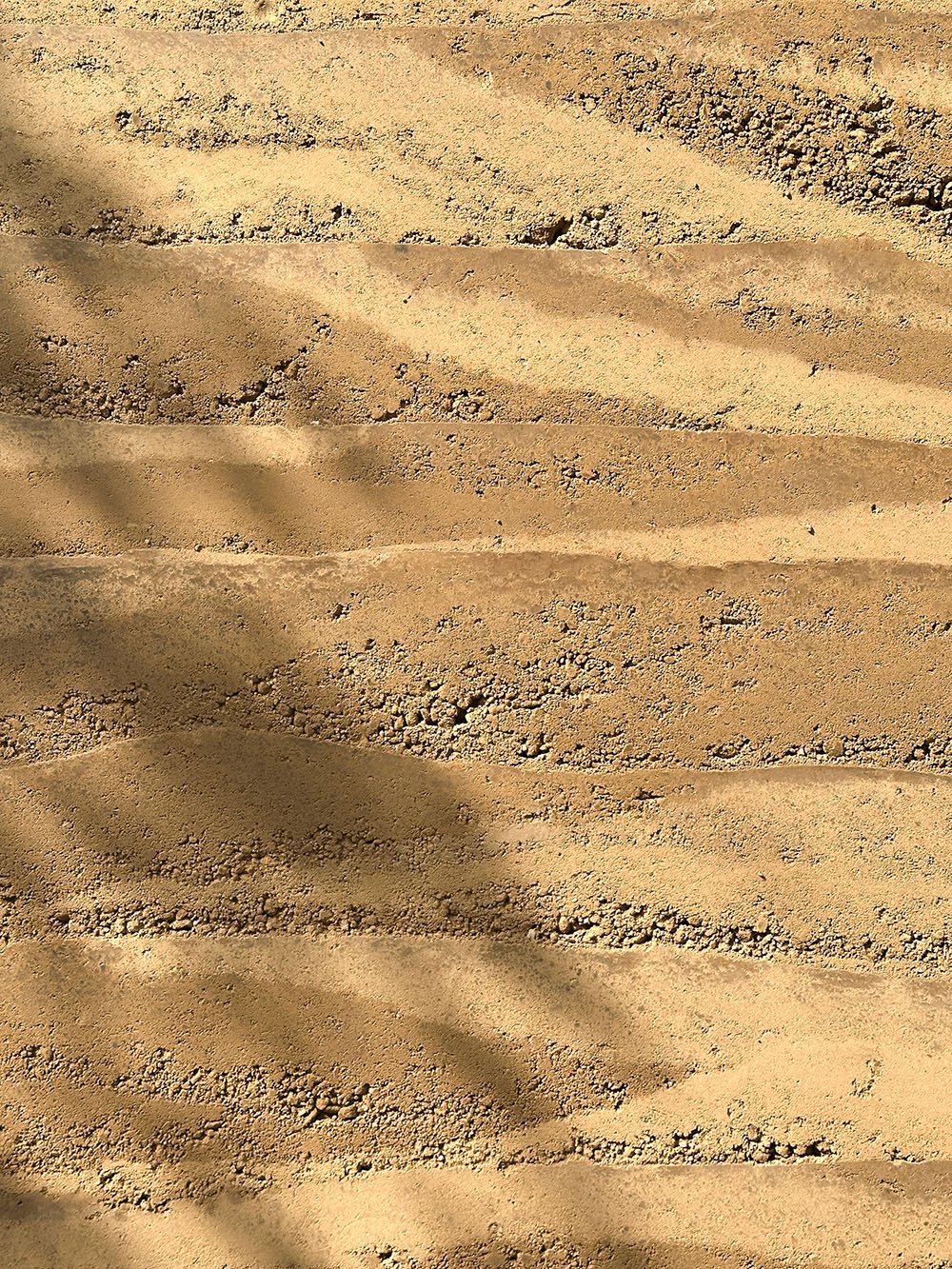
Als ehemaliger Leistungssportler bringt er eine Perspektive mit, die zählt, wenn es um Regeneration, Fokus und den langen Blick nach vorne geht. Edge Creatives Studio wurde in der Überzeugung gegründet: Architektur kann gleichzeitig ökologisch, intelligent und schön sein.
Marco wird von einem engen Netzwerk unterstützt – darunter Sebastian Probstfeld (Lehmkonstruktion und ökologische Sanierung) und Kasia Mijas-Galloway (Innenarchitektur und Materialberatung).
Was Kunden sagen
„Marco ist ein äußerst offener und kommunikativer Mensch. Die Zusammenarbeit mit ECS war unkompliziert und alle offenen Fragen konnten jederzeit geklärt werden. Er hat das Beste aus unserem Grundstück gemacht. Wir fühlen uns in unserem Traumhaus sehr wohl. Eine Mischung aus modernem und gleichzeitig praktischem Wohnen wurde sehr gut für uns umgesetzt. Wir sind rundum zufrieden und würden Edge Creatives Studio jederzeit weiterempfehlen."
Laura & Michael
Was Kunden sagen
„Wenn ihr jemanden sucht, der ein Haus wie kein anderes erschafft – etwas Außergewöhnliches, etwas ganz Individuelles – dann ist Edge Creatives Studio definitiv die richtige Wahl. Alle unsere Wünsche wurden verwirklicht, und jetzt sind wir einfach glücklich."
Christina & Joe
Was Kunden sagen
FAQs
-
Der Preis richtet sich nach Umfang, Standort und Detailtiefe.
Für vollständige Architekturleistungen berechnen wir nach unseren Paketen angelehnt an die deutsche Honorarordnung (HOAI) – damit bist du in der Lage, uns direkt mit jedem anderen Architekten zu vergleichen, Posten für Posten.
Die Grundrissoptimierung ist ein Festpreis-Service. Jedes Angebot ist vollständig aufgeschlüsselt: keine versteckten Positionen, keine aufgeblähten Extras - ab 450 € netto bis 36m²
-
Eine Grundrissoptimierung dauert in der Regel 7–14 Tage.
Ein vollständiges Architekturprojekt (vom ersten Gespräch bis zur Baugenehmigung) umfasst meist 6–12 Monate, bei komplexen Grundstücken oder gewerblichen Vorhaben auch länger.
Wir teilen einen Zeitplan mit, bevor du dich festlegst, und aktualisieren ihn transparent während des Projekts.
-
Manchmal ja – ein anderes Material, ein kompakterer Grundriss, ein phasenweiser Aufbau.
Manchmal nein – und das sagen wir dir dann auch.
Wir machen keine Abstriche bei Dingen, die die Gesundheit, die Langlebigkeit oder die tatsächliche Gebäudeleistung über die Zeit betreffen.
-
Die frühe Konzeptphase ist von Natur aus iterativ – hier wird das Projekt eigentlich geformt, deshalb legen wir keine feste Rundenzahl fest.
Für spätere, detailliertere Phasen wird der Umfang vorab vereinbart, damit der Prozess fokussiert bleibt.
-
Grundrissoptimierung, Architektur- und Innenarchitekturleistungen werden weltweit angeboten.
Wenn eine Baugenehmigung benötigt wird: Wir sind nur in Deutschland zur Einreichung von Baugenehmigungen zugelassen – außerhalb Deutschlands kooperieren wir mit lokalen Architekten wenn nötig.
-
Das ist die Heimat von Marcos Frau :)
ENQUIRE
Bereit für den nächsten Schritt?
Erzähl uns von deinem Projekt – wir melden uns innerhalb von 48 Stunden.